Which patio furniture holds up to a busy family backyard?
The best patio furniture for a busy family backyard is practical, sturdy, and simple to clean. For most households, that means resin dining sets, outdoor dining chairs that can be wiped down, stackable options for flexible seating, and a layout that leaves enough room for kids, pets, meals, and everyday traffic.
A family backyard is rarely a calm showroom. Chairs get pushed sideways, drinks spill, leaves collect in corners, and the table becomes a homework spot, a snack station, and a place to sort garden pots. Furniture that looks good but needs careful handling can become a nuisance. The goal is not just to fill a patio. It is to create a space that works on busy weekdays as well as slow weekends.
Start with how the space is used
Before choosing chairs or tables, look at the pattern of the yard. A family that eats outside most evenings needs a dining area with comfortable seating and a level surface. A home with young children may need open space nearby for play. A pool area calls for furniture that can handle splashes and sun exposure without feeling delicate.
Think in zones rather than in single pieces. A dining set can anchor the patio, while lighter seats can move between the garden, pool, and a covered area. If the yard is small, a compact set with stackable chairs may matter more than a large table that stays crowded and unused.
Also consider the path from the house to the seating area. People naturally cut across patios when carrying food, toys, towels, or laundry. Leave a clear route so chairs are not constantly shifted out of the way. Good patio layout is less about perfect symmetry and more about making the space easy to move through.
Why resin furniture suits active households
Resin material is a strong choice where daily use is expected. It is commonly used in outdoor settings because it resists moisture, does not need sealing like wood, and can be cleaned with routine household care. That matters in a family yard where mess is normal and nobody wants to baby the furniture.
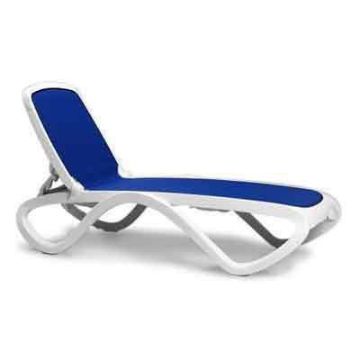
Resin also works well in mixed spaces. A dining set can sit on a patio, near a garden, or by a pool without creating the same worry that comes with materials needing special treatments. The finish is usually consistent, the surfaces are smooth, and the frames can be designed in styles that look more refined than purely utilitarian plastic.
There are trade-offs. Resin is not the same as natural timber, and some people prefer the warmth and grain of wood or the weight of metal. Resin furniture can still feel high quality when the shape, color, and proportions are chosen carefully. Nardi and other resin outdoor furniture lines show how broad the style range can be, from simple dining pieces to more sculptural forms.
Choose chairs that can take real use
Outdoor dining chairs should be judged by more than appearance. A busy family needs seats that are light enough to move, solid enough to feel secure, and comfortable enough for more than a quick snack. Check the chair base, the width of the seat, the back support, and whether the feet sit evenly on the ground.
Stackable chairs are especially useful when the patio serves several purposes. They can be brought out for meals and stacked away when the yard becomes a play area. This helps keep the space flexible without dragging heavy furniture back and forth. For families with limited storage, stackable designs also make it simpler to clear a table or open up a walking route.
Seat comfort deserves attention. Straight backs and shallow seats may look tidy but become unpopular once people sit down for a full meal. Curved backs, a slightly roomy seat, and a stable armrest can make a chair feel more welcoming. If children will use the chairs often, avoid designs with awkward gaps or sharp edges where small feet and hands are likely to go.
Armrests are a practical detail. They help when standing up, make chairs easier to carry, and give younger users a sense of stability. On the other hand, armrests take more storage space and can make chairs harder to tuck under a table. The better choice depends on the way the dining area is arranged.
Match table size and chair dimensions
A common mistake is choosing a table that fits the patio visually but not the household. A table should seat the people who normally eat there, with a little extra room for guests. If it is too large, daily use feels like a chore. If it is too small, chairs stay pulled out and the area looks cluttered.
Pay attention to chair dimensions and table height before buying. Chairs should slide under the table without catching on the frame, and there should be enough space between seats so people are not squeezed together. Leave room behind each chair for someone to stand and move without knocking into a wall, planter, or railing.
Round tables can soften a patio and make conversation easier, but they may take more space than expected. Rectangular tables suit longer areas and can fit more people in a row. Extending tables offer flexibility, though the mechanism should be simple enough to use without turning a family meal into a setup project.
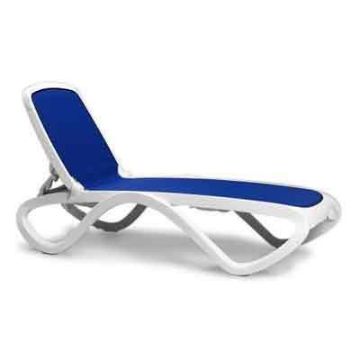
For a busy yard, a tabletop that can be wiped clean is a major advantage. Smooth surfaces handle crumbs, spills, and craft projects far better than slatted designs with grooves where debris collects. This is one reason easy care outdoor seating often pairs well with resin tables in family settings.
Think about weather resistance and storage
Outdoor furniture needs to cope with sun, rain, dust, and temperature changes. Weather resistance is not just about surviving a storm. It is about how much upkeep the furniture asks for afterward. A set that can be left outside under normal conditions, then cleaned when needed, suits a family routine better than one that must be covered every time clouds appear.
Even durable furniture benefits from sensible placement. A shaded area can reduce heat buildup on seats and tabletops. Keeping furniture off soggy ground helps feet stay clean and reduces the chance of staining the patio. During harsh weather or long periods away, covering or stacking furniture can extend its useful life.
Cushions add comfort but also add maintenance. They need drying time after rain and storage when not in use. For a lively backyard, many households prefer chairs with built-in comfort and fewer loose parts. If cushions are used, choose covers that are easy to remove and quick to dry, and avoid leaving them soaked on seats.
Resin pieces are often simple to rinse or wipe, which is useful after pool days, muddy shoes, or spilled drinks. Mild soap and water are usually enough for routine dirt. A soft cloth or brush can help with textured areas, while harsh abrasive tools should be avoided because they can mark the finish.
Build a set around daily routines
The most useful family patio is usually built around repeated habits. If breakfast happens outside, keep a few chairs near the door. If dinner is the main event, make the dining table the focus. If the pool is the busy zone, place seating close enough to be useful but not so close that chairs constantly block the path.
It can help to mix seating types. A core dining set handles meals, while lighter chairs or stools can serve extra needs. This approach avoids relying on one set for every activity. It also lets the patio change shape when children bring out toys or when extra guests arrive.
Color matters too. Light tones can make a small patio feel open, while darker frames can hide everyday dirt more readily. Neutral shades tend to blend with many garden styles and make future changes easier. Bright colors can give the yard a cheerful accent, though they may make the furniture the center of attention.
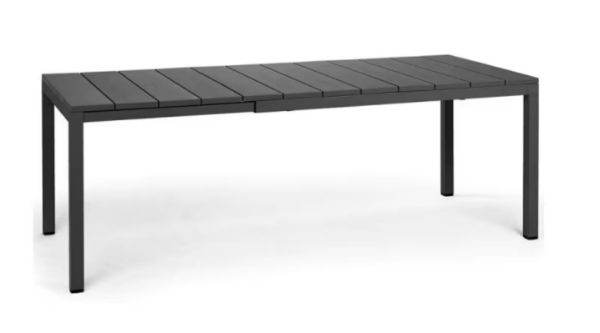
Texture is another practical decision. Smooth surfaces are easier to clean, while woven or contoured details can add visual interest. The busier the household, the more useful it is to choose texture that does not trap crumbs, sand, or pet hair.
What to check before buying
Focus on the details that affect daily use. A chair that stacks, wipes clean, and supports a relaxed meal will usually beat a delicate design that only looks good in a quiet corner. The same applies to tables. A stable frame, a practical top, and enough space around it will do more for a family than decorative features alone.
Before committing to a set, measure the area and mark out where the furniture will sit. Check that doors, gates, and garden paths can still open and function. Look at the chairs from the angle people will use them, not only from the front. Notice whether legs are likely to catch on mats or uneven paving.
A good family setup should feel easy to live with. Resin dining sets, stackable chairs, and well-shaped outdoor dining chairs can give a backyard a settled look without making every spill or muddy foot feel like a problem. The right choice keeps the patio ready for meals, play, guests, and ordinary family life, with less fuss between them.